
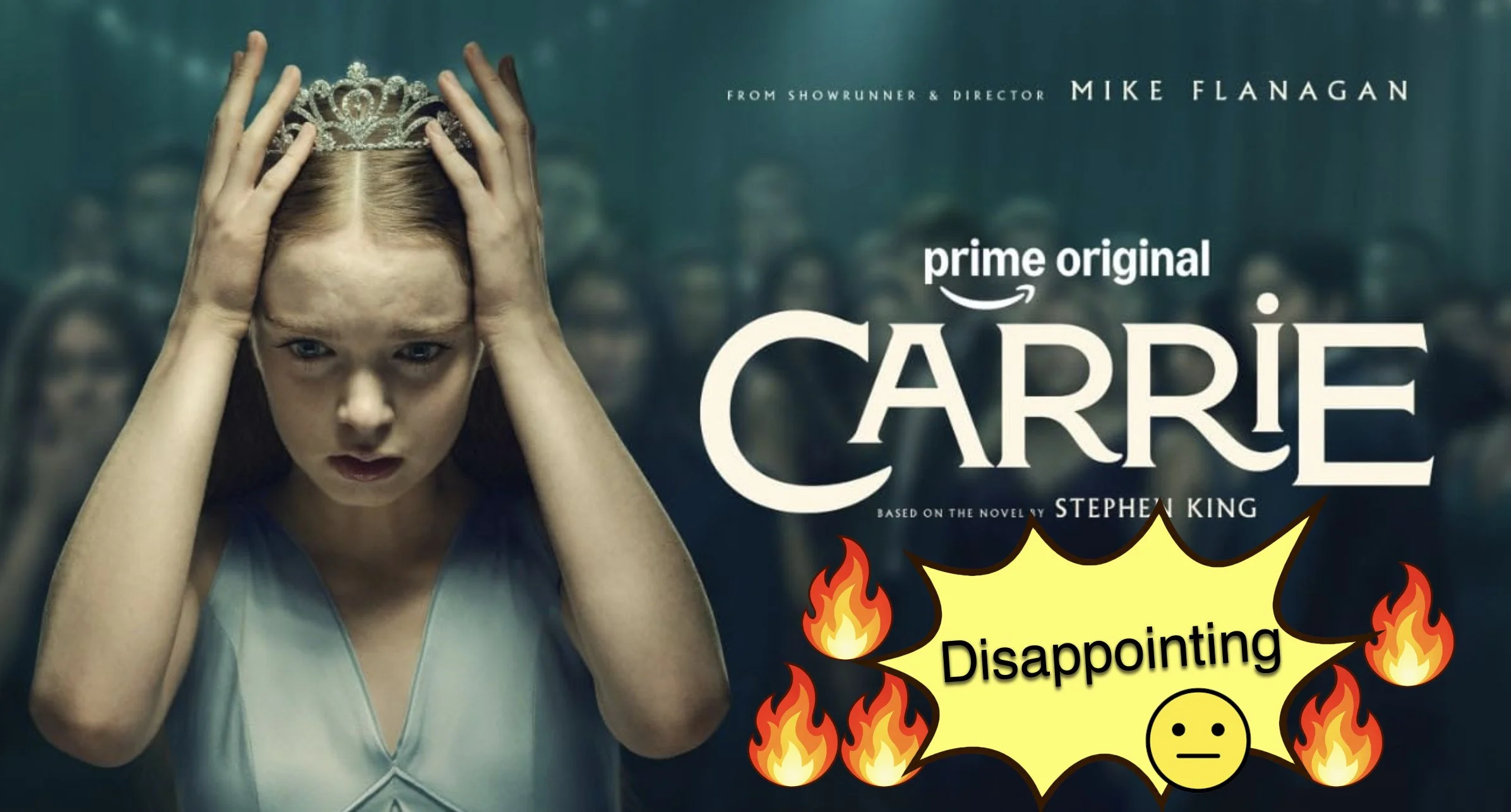
Over the past decade or so, Mike Flanagan has become sort of the face of mainstream horror TV shows and movies. This is mostly for good reason, as Flanagan has created a fair number of quality works that have achieved critical success, as well as being popular with general audiences. While I personally prefer some of his earlier, less popular horror films, namely Oculus and Hush, I think that when taken collectively, I’d rate his run of different Netflix horror shows as also being solidly above average.
Flanagan also previously found success adapting Gerald’s Game, another Stephen King novel that due to its largely taking place in a single setting was previously deemed unfilmable, for Netflix. If Amazon was searching for a Stephen King-based horror hit, Flanagan makes sense as a great choice to run the project. Unfortunately, while this might seem to set up everything for a fantastic series, Carrie is a bit of a swing and a miss.
Before this Carrie adaptation, King’s novel had already been adapted to the screen on three other occasions. This show was going to need to find a different take on the source material to make it worthwhile. In an attempt to do just that, the story is set in the modern social media age.
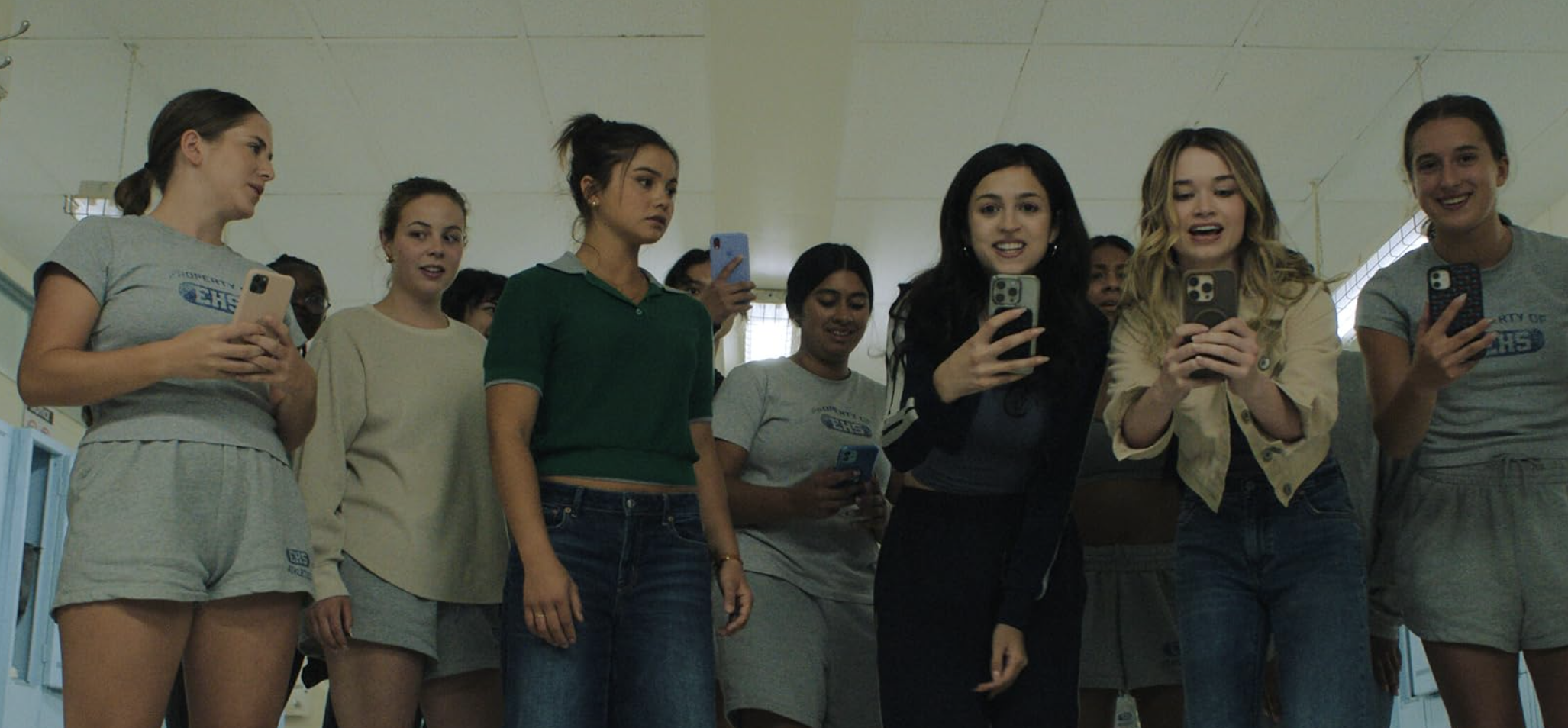
At first, this seems like it might provide a unique and interesting take. In fact, the first couple of episodes of Carrie are really engaging. Flanagan, as he does with his other work, creates a world that feels (at first) quite realistic.
Once you’re a few episodes into the series, however, we venture from the real world of the mid-2020s to a TV world that feels far from reality. Much of the plot revolves around an Instagram account made by the show’s villain, Chris, to bully Carrie. Chris posts some pretty vicious bullying posts about Carrie, and then other students and teachers.
In the real world, Instagram takes bullying accounts like this one, especially when minors are involved, pretty seriously. This account would likely be taken down within days, if not faster. In the TV world, though, adults don’t even discuss contacting the social media platform. It’s simply presented that the only way for the account to come down would be for Chris herself to take it down.
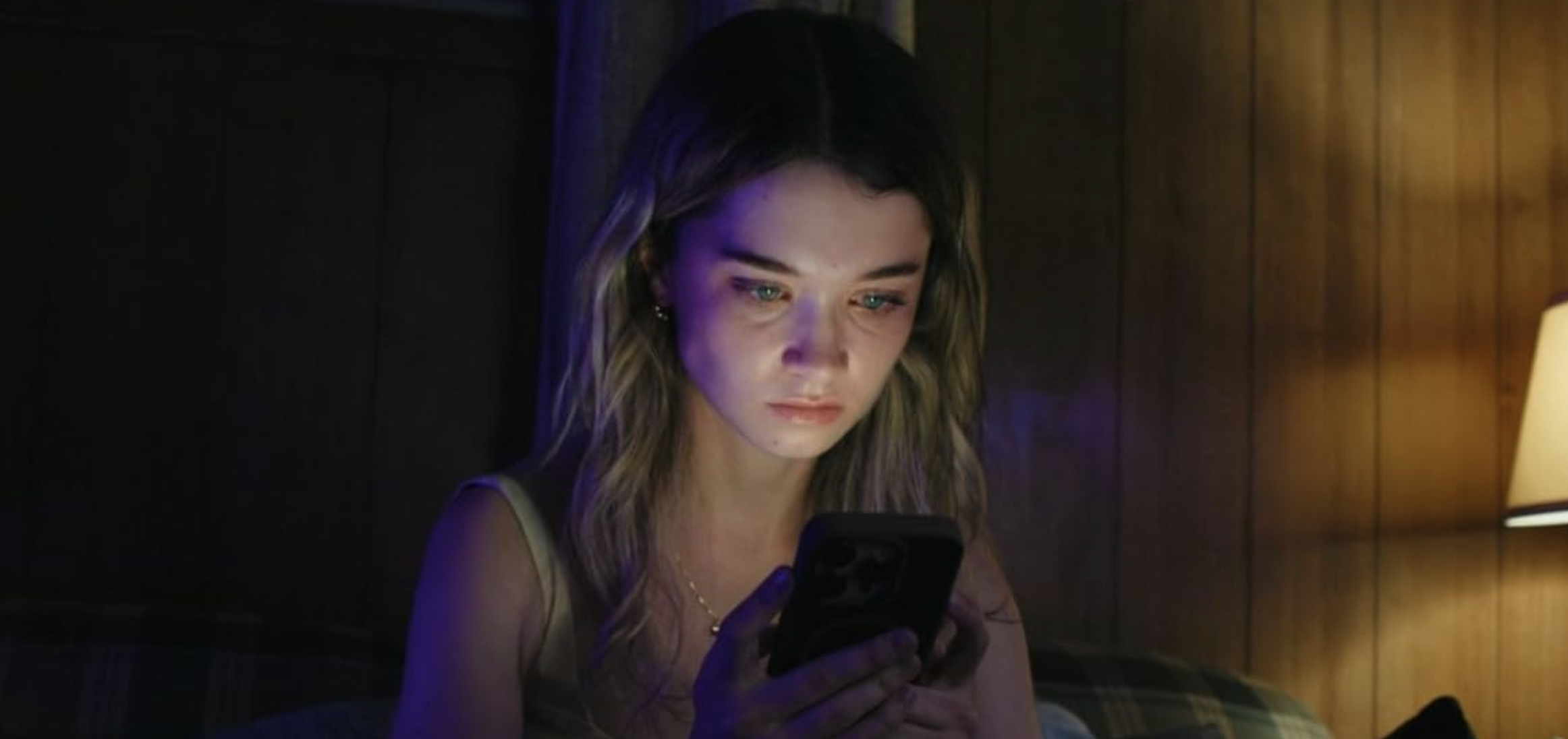
If this were a small part of the show, it might be excusable, but the bulk of the series really concentrates on this Instagram account. It’s like Flanagan wanted to see what would happen if the Carrie story was told in present day but then neglected to investigate what would actually happen if students behaved the way they do on his show.
There are other problems with Carrie, too. Primarily, there are just way too many episodes for the story being told. Everything feels very stretched out, with the middle episodes of the series following the same basic beats and the story never feeling like it’s actually progressing. It also makes zero sense that Carrie’s mother, a woman who didn’t leave the house for years and wants nothing to do with the outside world, becomes a social media influencer.
The weakest episode of the series might be its final one. The iconic prom scene is made far less exciting by breaking it up with boring interview scenes of various characters. Trying to spin Carrie into a Stranger Things-type story and setting everything up for future seasons feels both deliberate and off.
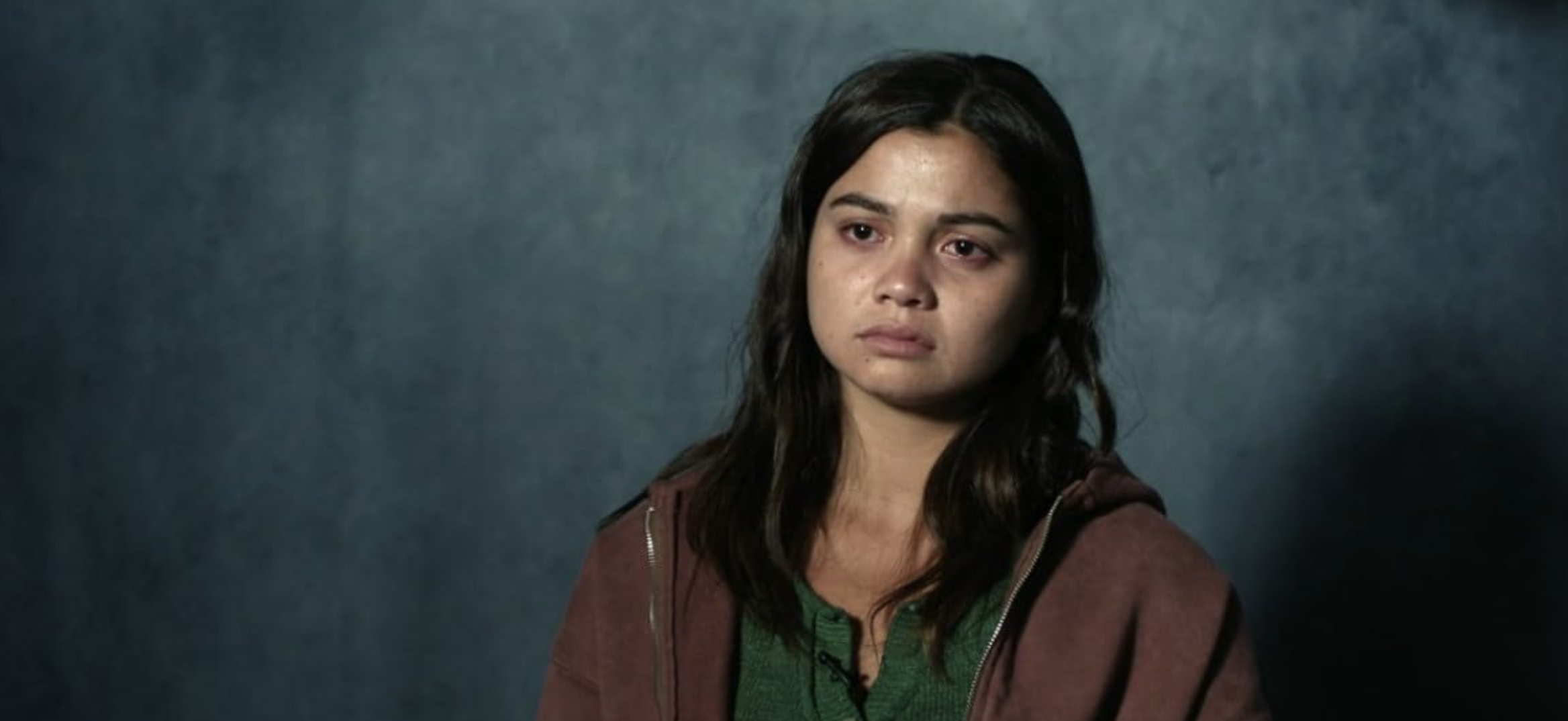
Despite all of these negatives, I don’t consider Carrie to be awful or truly egregious in any way. It still feels well-made and, considering the sort of generic material they’ve been given, the acting is fine. The casting, at least, feels right.
I sort of questioned before watching Carrie if a new show based on King’s book was really merited. I think the answer is that it definitely wasn’t. I’d expect future seasons of this show, branching out into a type of “Carrie universe,” to just get increasingly worse and less worth watching. Even for horror fans, I’d pass on this one.
Grade: 5/10