
Is the Red Rising Trilogy Worth Reading?
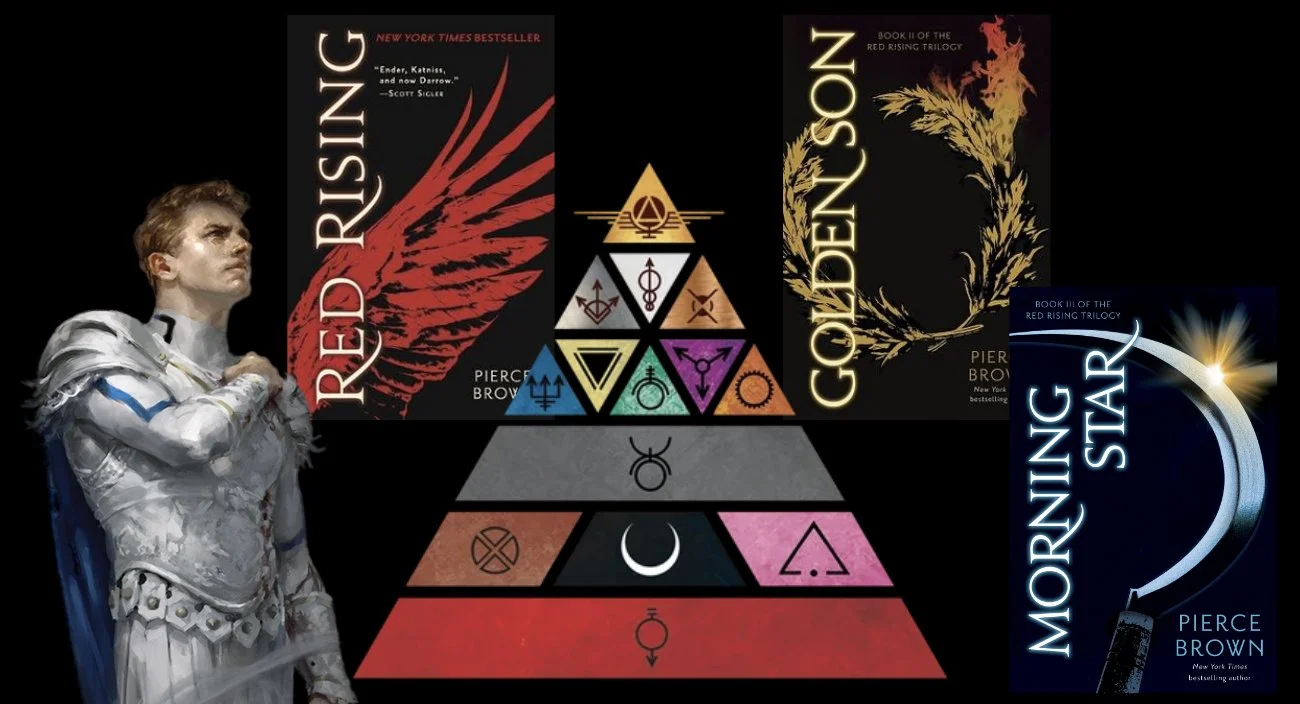
The Red Rising science fiction trilogy is comprised of (as you might’ve guessed) three novels by Pierce Brown. Originally published in 2014, the first book, also titled Red Rising, was well-received and appeared on best seller lists at the time of its release. Since then, the entire series has become a bit of a hit and Brown has completed three of the four books in a four-book sequel series that features the same characters.
However, the initial three novels do tell a totally complete story. So, are they worth investing your time into? Well, that depends. First, I’ll give a little background on the setup of the story so you can get a feel for if these are the types of books you’d be interested in, then I’ll share my own thoughts.
The first novel begins in the distant future on Mars. Humanity now operates in a caste system based on colors. People are born as a specific color, and each color plays a different role in society.
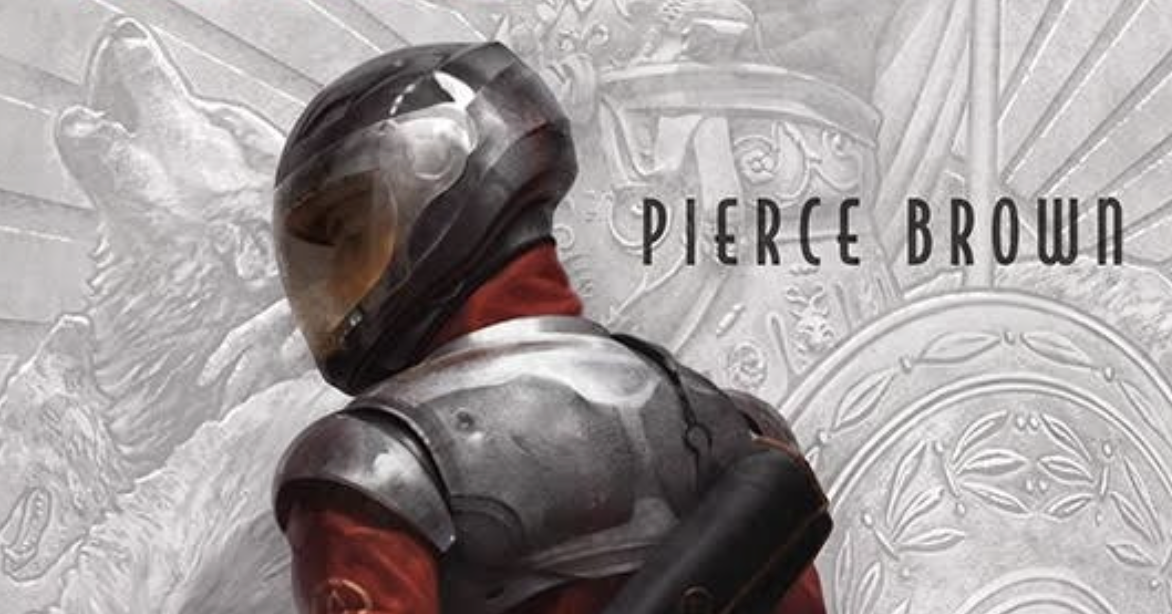
Darrow, our protagonist, is a Red, the lowest caste of the social hierarchy. He spends his days working with his fellow Reds below ground as a miner, gathering materials to terraform Mars so it can be habitable. Eventually though, Darrow’s entire world is turned on its head, and he finds that much of what he’s been told is a complete lie. Suddenly, he’s given an opportunity to help make everything right and potentially change society for the better. To do so, he’ll need to infiltrate the ranks of the Golds – the color that rules over all the others.
Red Rising isthe type of book that’ll likely remind you of other similar stories. The recommendation blurbs on the copy I read compared it to works like The Hunger Games, Game of Thrones, and Ender’s Game. It certainly does have some elements in common with those other books, with The Hunger Games being the novel it’s most often compared to.
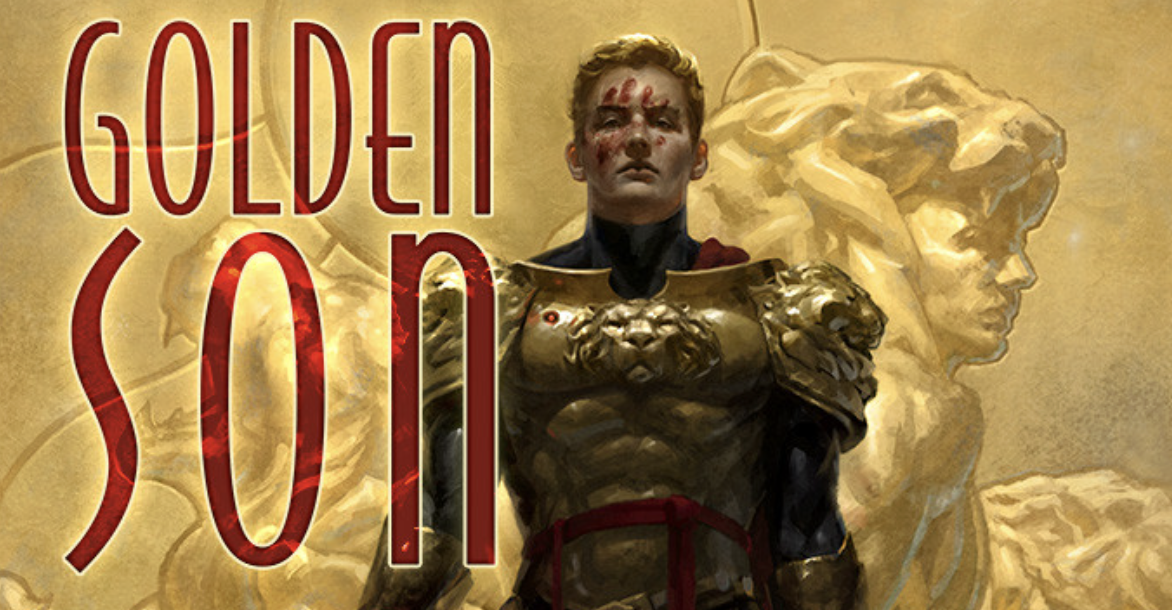
Golden Son and Morning Star are true space opera books. While Red Rising has some fantasy elements to it (particularly at the Institute), with these two, we’re firmly in science fiction territory. The second and third books feel very similar to one another.
One of the greatest strengths of all three novels is that they’re extremely fast, fun reads. I don’t think I ever found any of these books to be truly great, but they were enjoyable while I was reading them. Brown keeps the story moving at a quick pace and his writing style is very easy to read. When you get into the bulk of any of the books, they get to be real page-turners.
Brown clearly has an interest in writing about two main things, and he does both quite well. They are action-packed battle scenes and strategic planning scenes where characters plan said battles. For the most part, from the time Darrow arrives at the Institute early in the first book onward, you're getting mostly fighting and strategy.
Now, if you’re a fan of fast-paced sci-fi action, you’re in for a treat because Brown excels at this type of storytelling. For me, personally, I appreciate a book more when it’s not simply planning for battles and then the skirmishes.
That’s not to say that Brown’s characters are bad. I actually think the cast we meet throughout the books is fairly interesting. I just wish we got more moments where characters did something other than discuss strategy or engage in combat.If we had more character-driven chapters interspersed within the book, particularly in the second and third books, I would’ve really enjoyed this trilogy more.

Usually, I enjoy reading all of the books in a series without a break, but in this particular case, I think I would’ve liked the Red Rising trilogy more had I spaced the novels out. Since many of the beats feel similar, the story, though well told, feels repetitive after a while.
Overall, I definitely still had a positive experience with the trilogy. It’s a solid B/B+ for me. It might lack the depth or specialness that I’m really searching for when I hunt for something new to read, but it’s still a fun, fast read.
Grades:
Red Rising: 8/10
Golden Son: 8.5/10
Morning Star: 7.5/10